AISA Next — the operator surface, wireframes
One administration section in serdica-ui (Platform PG-5). The chat is the workspace (D119): a case is one thread of cards; everything else finds, routes, decides, builds or controls. Eight workspaces behind role-dependent front doors, fourteen screens. Every screen is generated from one script (gen_wireframes.py) so the shell, the palette and the vocabulary are identical; the screens fix regions, vocabulary and data — not styling, which follows the host's administration look (PG-26). The sample data is generic: a premium that differs between the two systems, a vehicle model missing in pricing, a transfer that fails for an annex.
human decision · gaterunning · read-only · greenparked · link · target staterefused · failed · ddlENV · SYSTEM · OBJECT = where
- 01 Inbox
- 02 Cases
- 03 Case chat
- 04 Case at a gate
- 05 Where
- 06 Decisions
- 07 Plan gate
- 08 Studio
- 09 Studio version
- 10 Knowledge
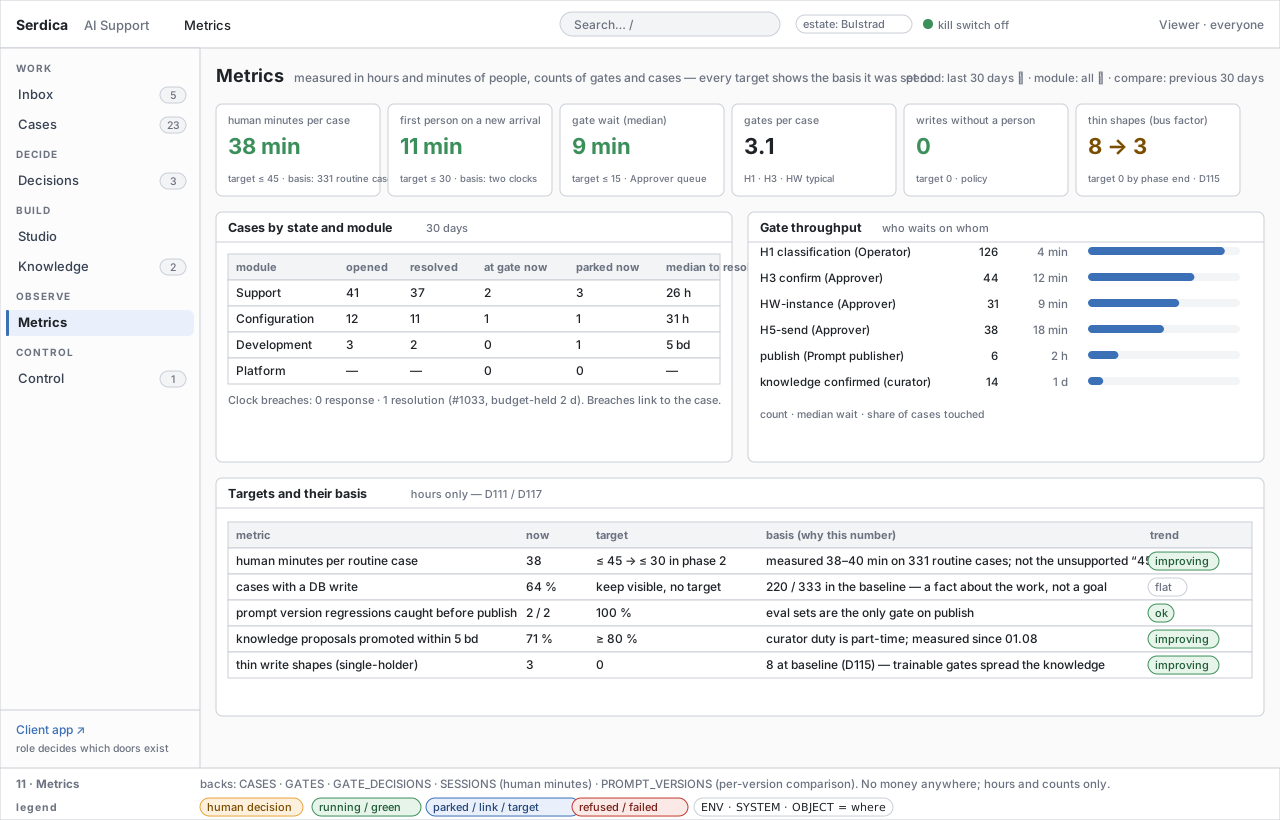
- 11 Metrics
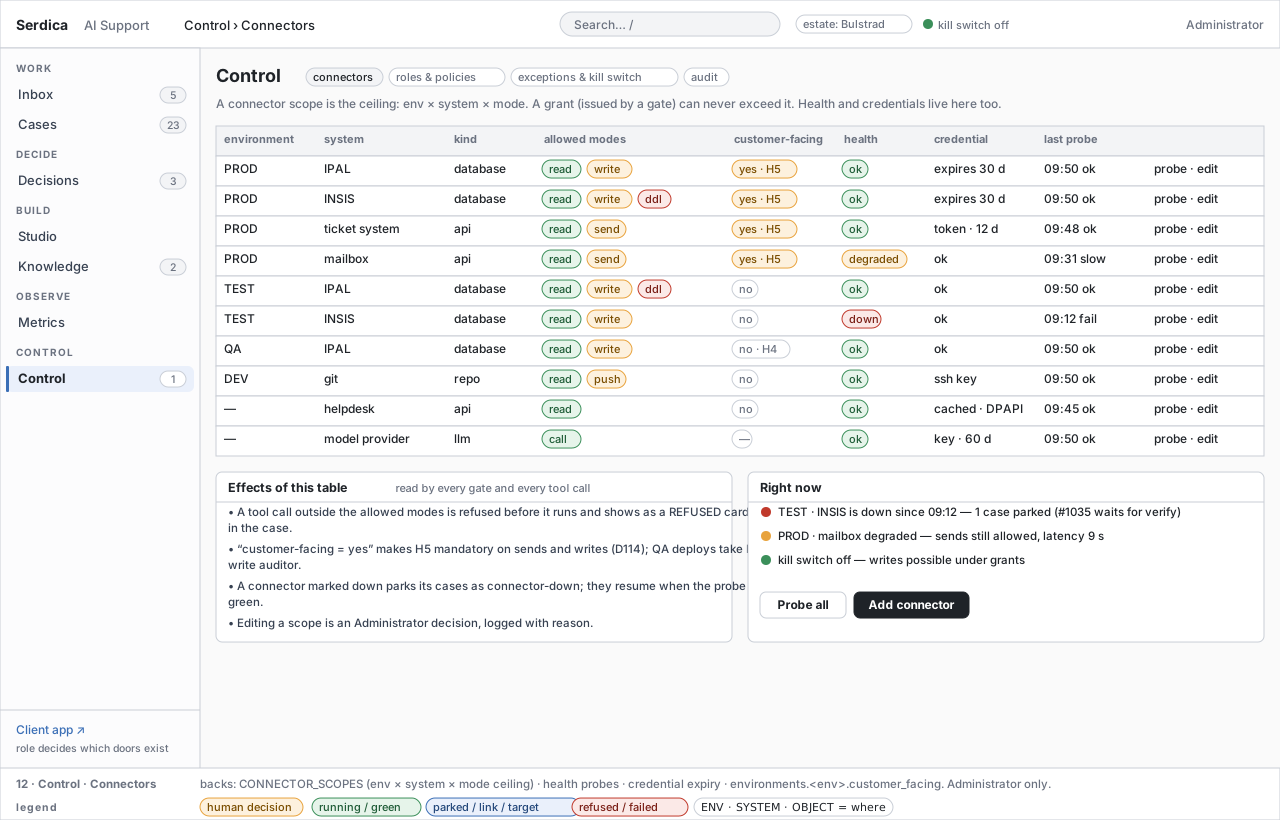
- 12 Control · Connectors
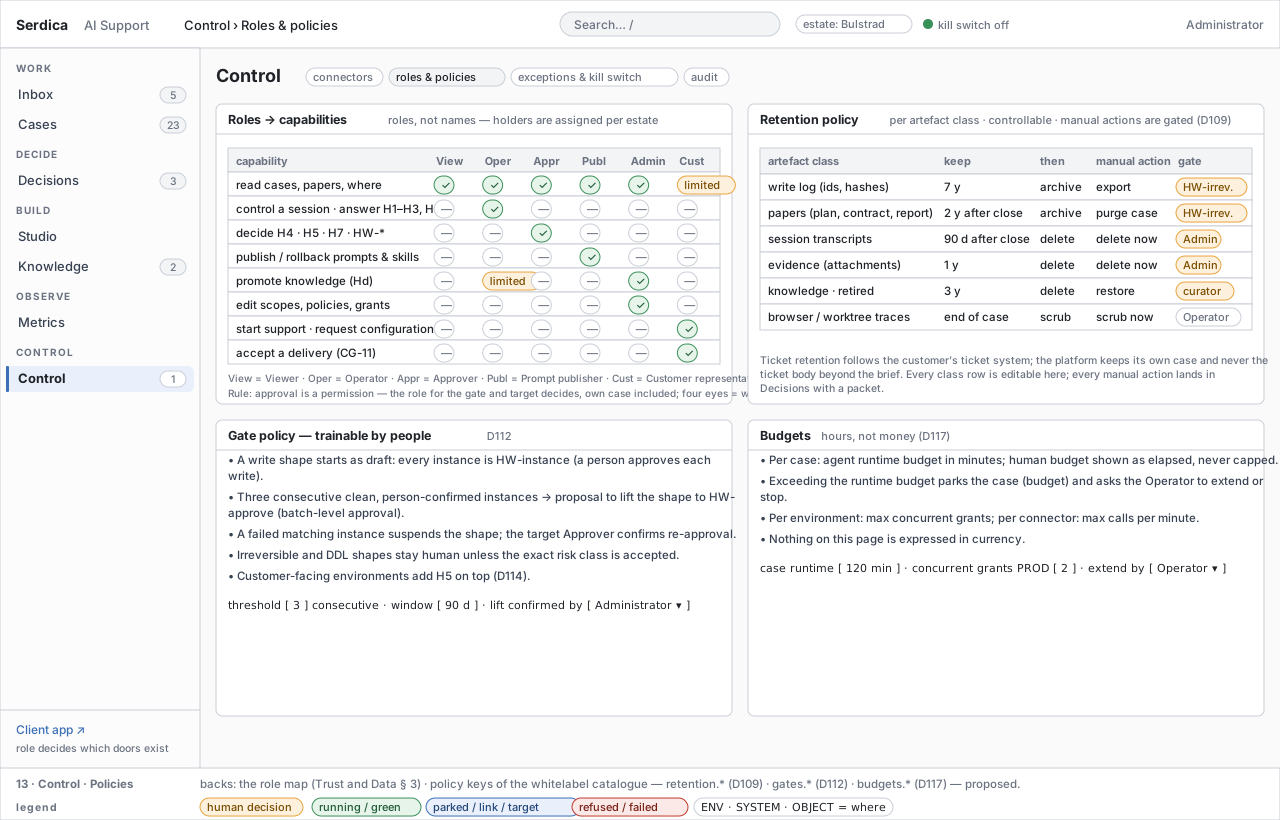
- 13 Control · Roles & policies
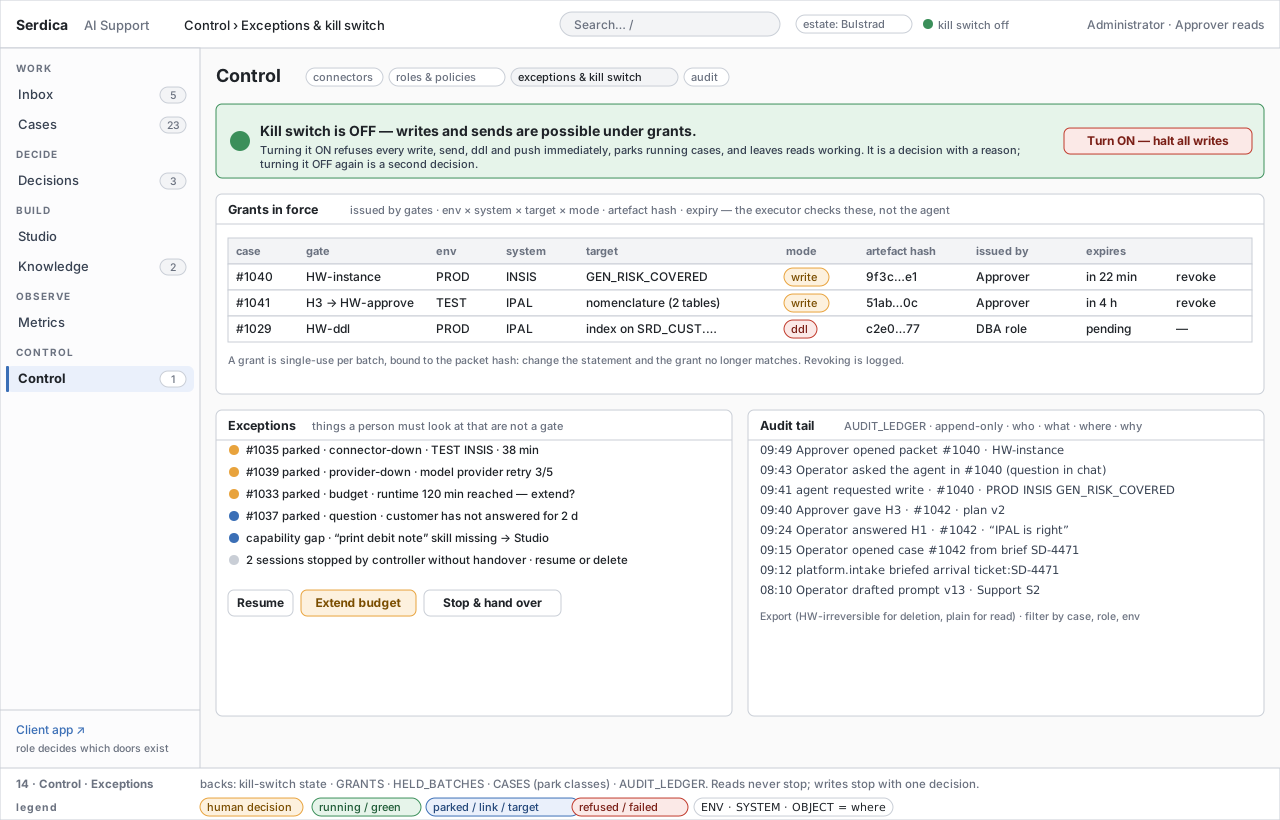
- 14 Control · Exceptions & kill switch
The shell is the same on every screen: top bar (product · breadcrumb · search / · estate · kill-switch state · the viewer's roles), left rail (WORK Inbox · Cases — DECIDE Decisions — BUILD Studio · Knowledge — OBSERVE Metrics — CONTROL Control — the client app), a footer naming the screen and the rows behind it. The backs: lines are design annotations, not rendered text.
Work
01 · Inbox — arrivals re-briefed from their source
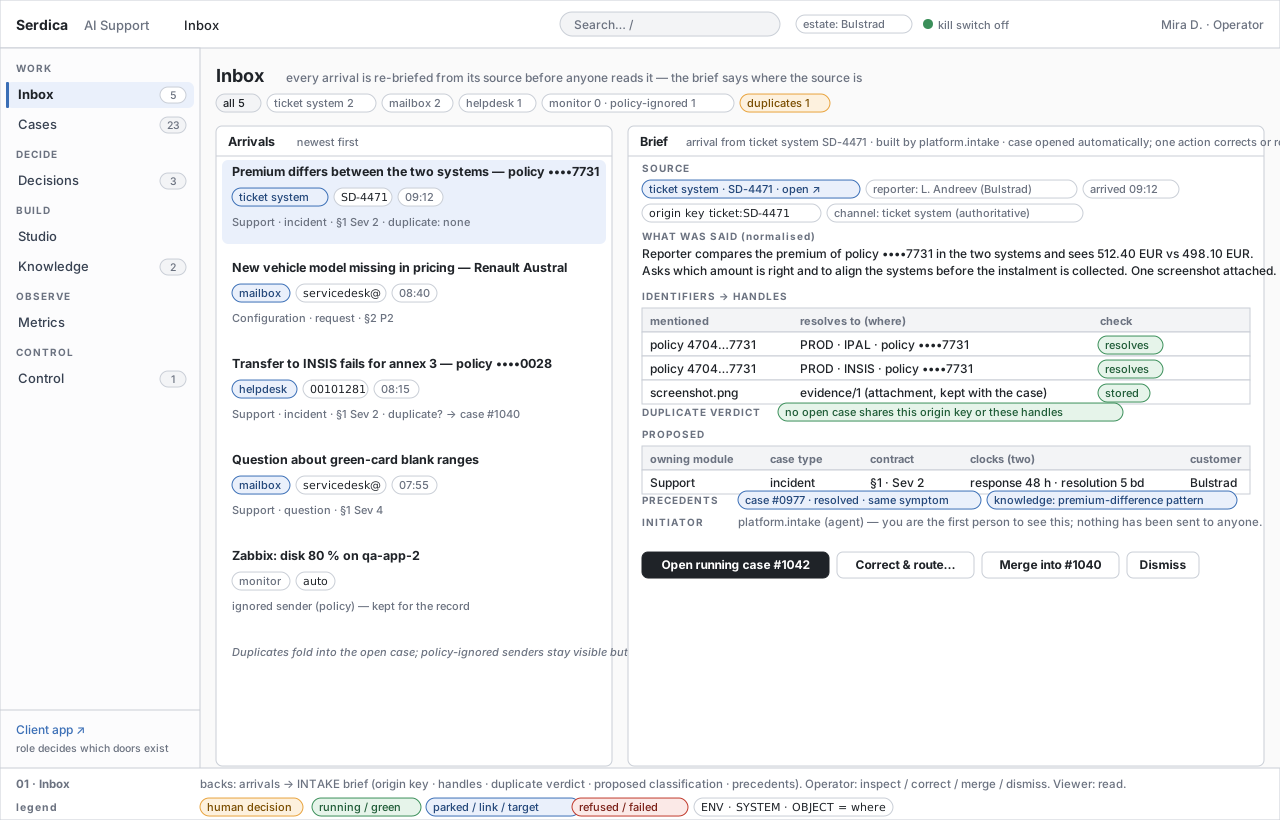
| Regions | filter chips by door (ticket system · mailbox · help desk · monitor · duplicates) · the arrivals list (title, source chip with external id and time, proposed classification) · the selected brief: source, what was said (normalised), identifiers → handles, duplicate verdict, proposed classification with the two clocks, precedents, initiator · one action row |
|---|
| Data | arrivals → intake briefs built by platform.intake: origin key (channel + external id, D98), resolved handles with where-chips, dedup verdict, classification (SG-11 — auto by design), precedents from closed cases and active knowledge |
|---|
| Workflow | W1 — classification H1 is recorded automatically; the Operator's correction is a new H1 revision: Open case Correct & route Merge into #… Dismiss. Cases and clocks start from authorised arrival; the click opens the existing case. A correction becomes an eval example for the classification prompt (W9). |
|---|
| Roles | Operator acts; Viewer reads. Policy-ignored senders stay visible and silent. |
|---|
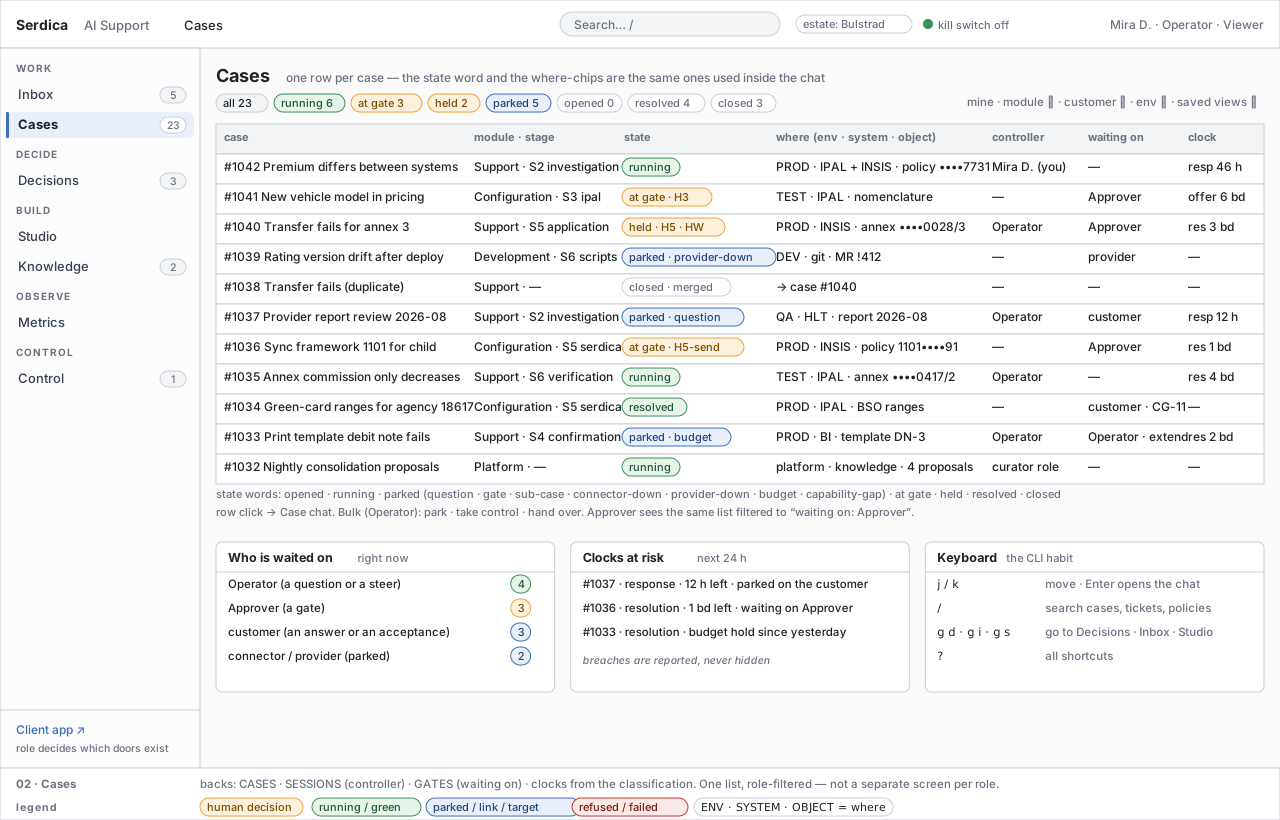
02 · Cases — every case, its state and where it is
| Regions | state chips as filters · one row per case: id and title, module · stage, state chip, where (env · system · object), controller, waiting on, clock · who is waited on · clocks at risk · keyboard help |
|---|
| Data | CASES ⋈ SESSIONS (controller) ⋈ GATES (waiting on) ⋈ the classification's two clocks. State words: opened · running · parked (question · gate · sub-case · connector-down · provider-down · budget · capability-gap) · at gate · held · resolved · closed. Held batches are rows here (they are cases). |
|---|
| Workflow | W2, W3 — a row opens the case chat; bulk actions for the Operator: park · take control · hand over. The Approver sees the same list filtered to waiting on: Approver — one list, role-filtered, not a screen per role. |
|---|
| Formerly | the “Sessions” screen of the first draft. |
|---|
03 · Case chat — the workspace
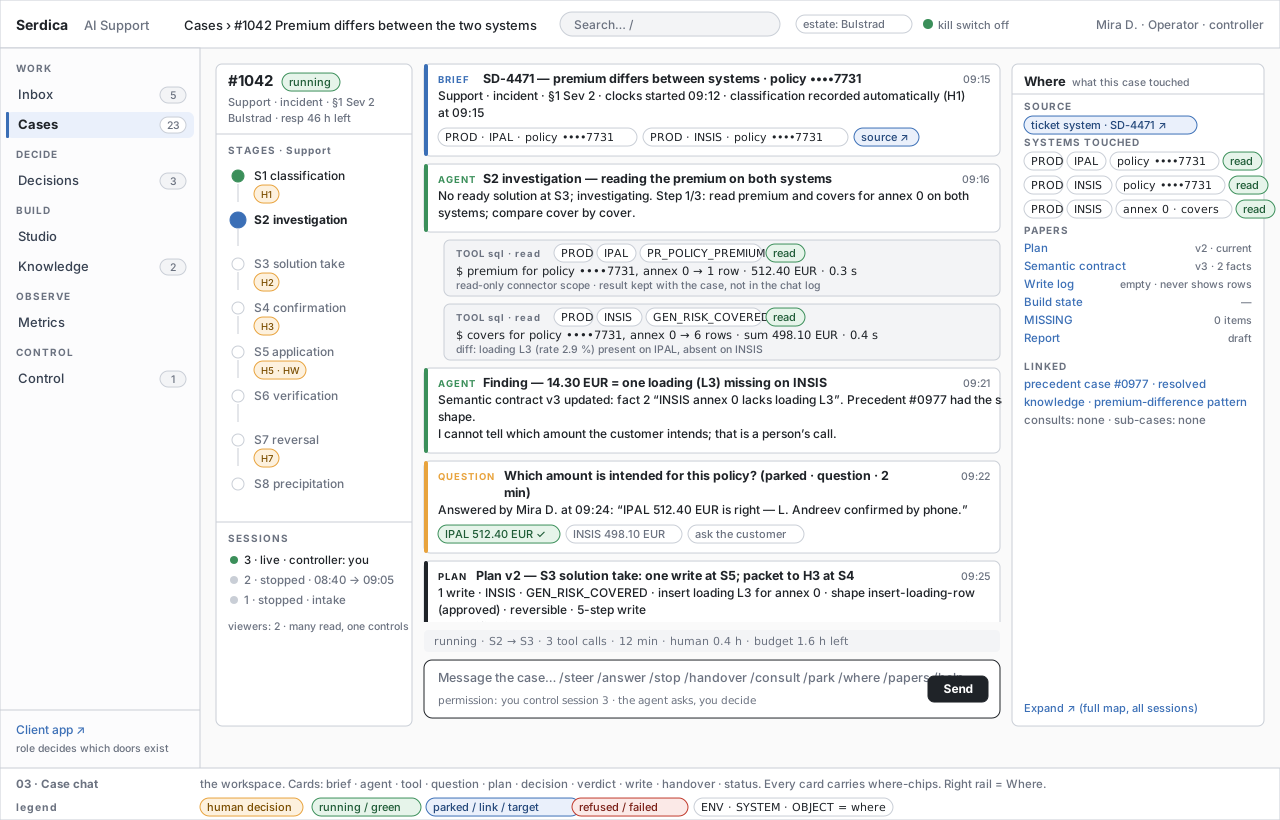
| Regions | left: case header (id, state, type, contract class, customer, clock), the module's stage ladder with the gate each stage carries, sessions (live · stopped) with controller and viewer count · centre: the thread of cards, the status line, the composer with its permission line · right: Where — source, systems touched with mode, papers, linked cases and knowledge |
|---|
| Cards | brief agent tool question plan decision verdict write handover · consult status human — every card carries where-chips; a tool card shows mode, a one-line result summary and never rows. |
|---|
| Data | ledger events over SignalR (per case/session ticket); TASKS (tool calls with env · system · object · mode); PAPERS (Plan, Semantic contract, Write log, Build state, MISSING, Report); GATES |
|---|
| Workflow | W2 (follow), W3 (steer · answer · stop · hand over) — slash commands /steer /answer /stop /resume /handover /consult /park /where /papers /try /help; the status line reads state · stage → next · tool calls · elapsed · human minutes · budget left (minutes, D117). |
|---|
| Rules | many viewers, one controller; stated reasoning, not chain-of-thought; the composer's second line always states the typist's permission; viewers have no composer. |
|---|
| Formerly | the “Session view”. |
|---|
04 · Case at a gate — the decision is a card in the same chat
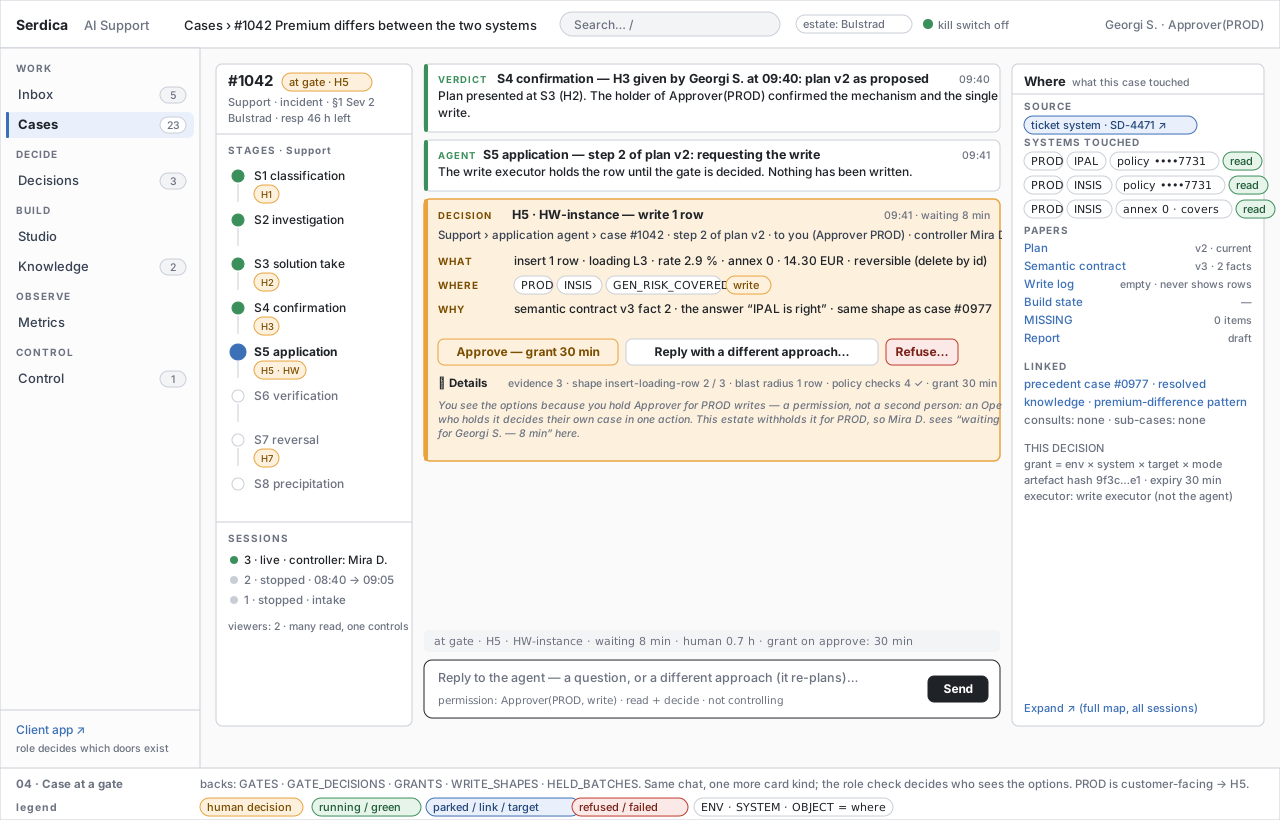
| Regions | the same chat; a verdict card (the H3 given at S4), an agent card (S5 requesting the write), and the amber decision card, kept focused: module › agent › case · step of the plan · to whom · controller, then one line each of what · where (write chip) · why, the options — approve · reply with a different approach · refuse — and a collapsed Details line (evidence, shape 2 / 3, blast radius, policy checks, grant). The Where rail gains This decision: the grant an approval would issue. |
|---|
| Data | GATES, GATE_DECISIONS, GRANTS (env × system × target × mode · artefact hash · expiry), WRITE_SHAPES, HELD_BATCHES. PROD is customer-facing, so the write carries H5 on top of HW-instance (D114). |
|---|
| Workflow | W4 — the holder of Approver for this target approves → a grant → the write executor runs the 5-step write → a write card → S6 verification; refuses with a reason → the case parks (gate); asks → the agent answers in the thread without approving anything. W5 — each clean, person-confirmed instance counts towards lifting the shape (D112); H5 remains human unless this exact risk/target has an accepted decision. |
|---|
| Rules | approval is a permission, not a second person — an Operator who holds the role decides their own case in one action, and this estate withholds Approver(PROD) from its operators as a role-set choice; the packet — not the chat — is what is approved; a changed artefact re-opens the gate. |
|---|
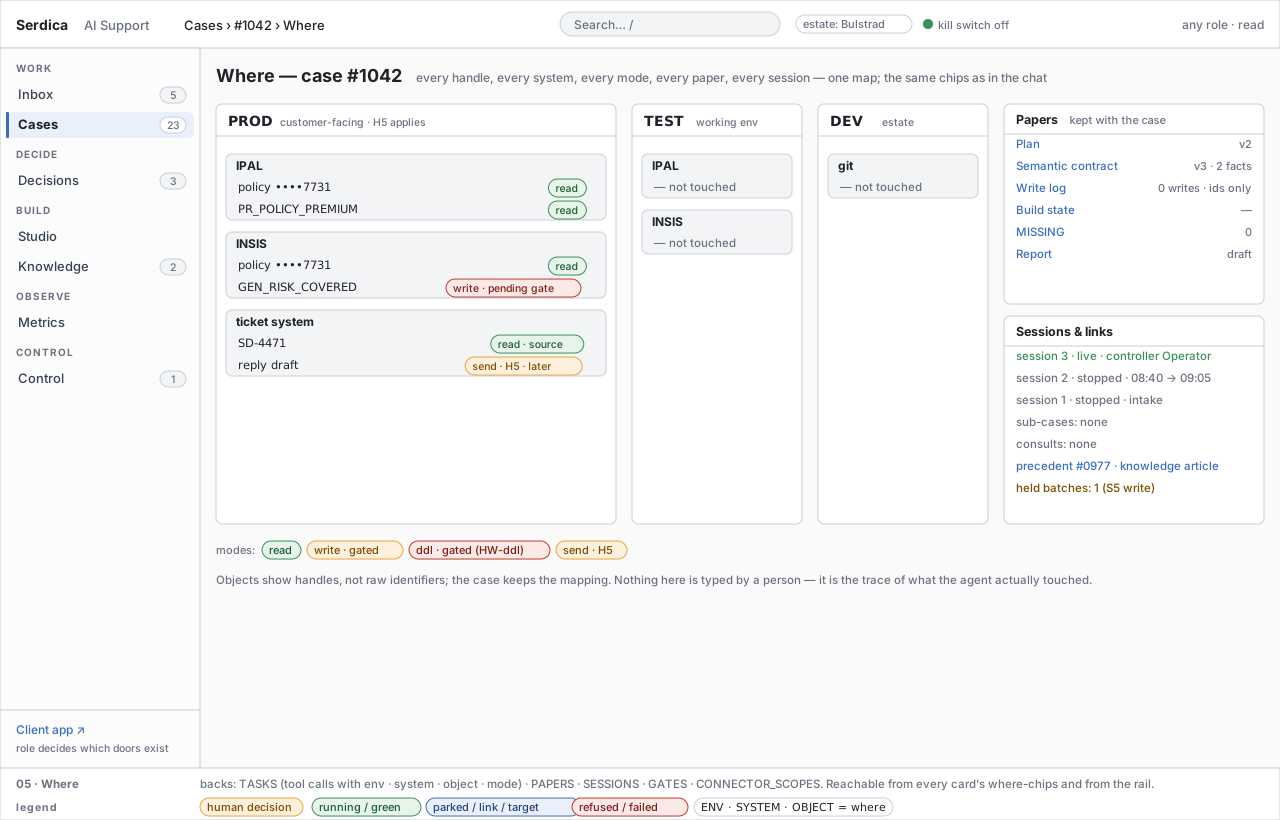
05 · Where — everything the case touched
| Regions | environments as columns (with customer-facing marked), systems as boxes, objects as handles with a mode chip (read · write · ddl · send · source) · papers · sessions and links (sub-cases, consults, precedents, held batches) · the mode legend |
|---|
| Data | TASKS (every tool call's env · system · object · mode), PAPERS, SESSIONS, GATES, CONNECTOR_SCOPES. Nothing here is typed by a person — it is the trace of what the agent actually touched. |
|---|
| Workflow | W2 — reached from any where-chip on any card and from the rail's Expand; read only for every role. |
|---|
Decide
06 · Decisions — every waiting gate across all cases
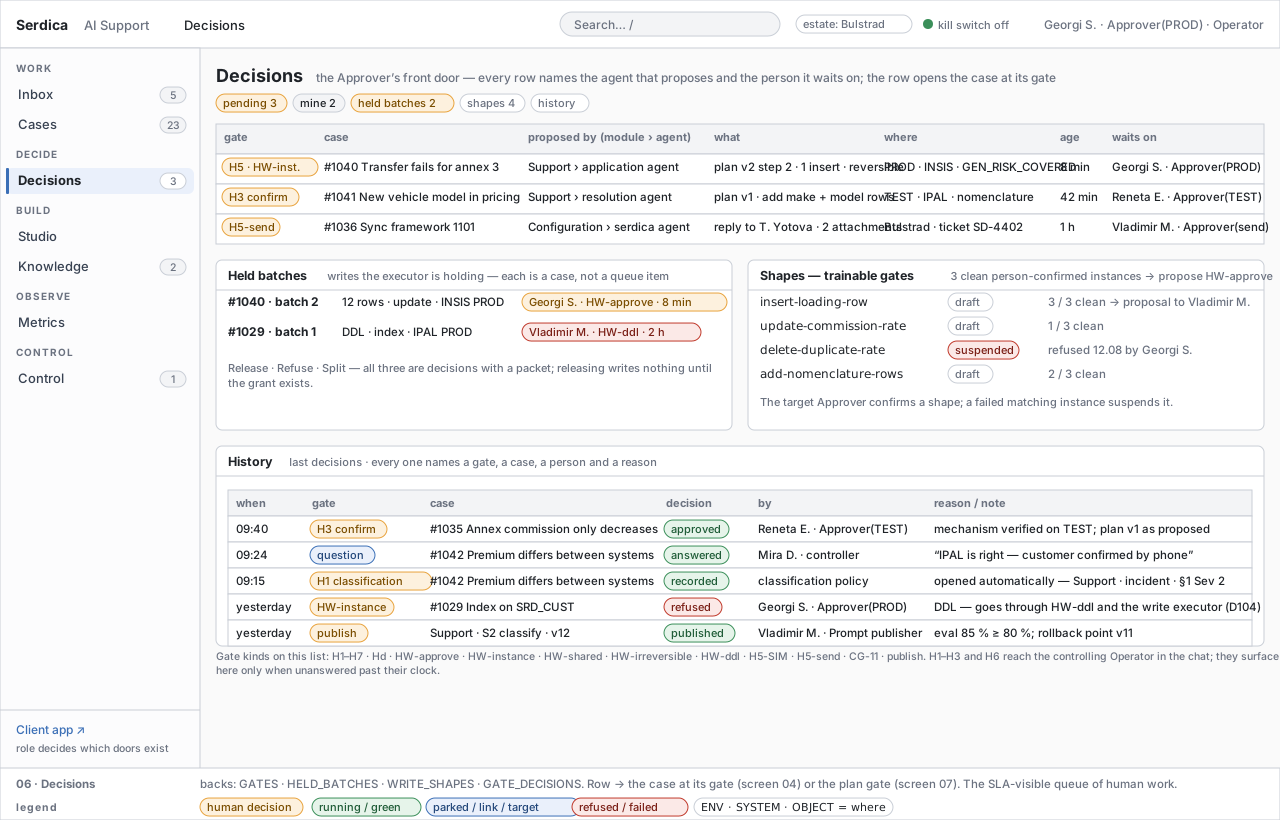
| Regions | tabs pending · mine · held batches · shapes · history · the queue: gate kind, case, proposed by (module › agent), what, where, age, waits on (person · role) · held batches with the person they wait on · shapes with state and clean-instance count · history of decisions with the person, the role and the reason. Sample people are illustrations, not role assignments. |
|---|
| Data | GATES, HELD_BATCHES, WRITE_SHAPES (draft · approved · suspended), GATE_DECISIONS. Gate kinds: H1–H7 · Hd · HW-approve · HW-instance · HW-shared · HW-irreversible · HW-ddl · H5-SIM · H5-send · CG-11 · publish. H1–H3 and H6 reach the controlling Operator in the chat and surface here only when unanswered past their clock. |
|---|
| Workflow | W4 — a row opens the case at its gate (04); W5 — the Approver for the target class confirms a shape proposal at HW-approve (D133), any Approver's refusal resets the count; W6 — a held batch is released, refused or split, each with a packet. This list is the SLA-visible queue of human work. |
|---|
| Formerly | the “Gate inbox”. |
|---|
07 · Plan gate — the agent proposes, a person approves, replies with another approach, or refuses
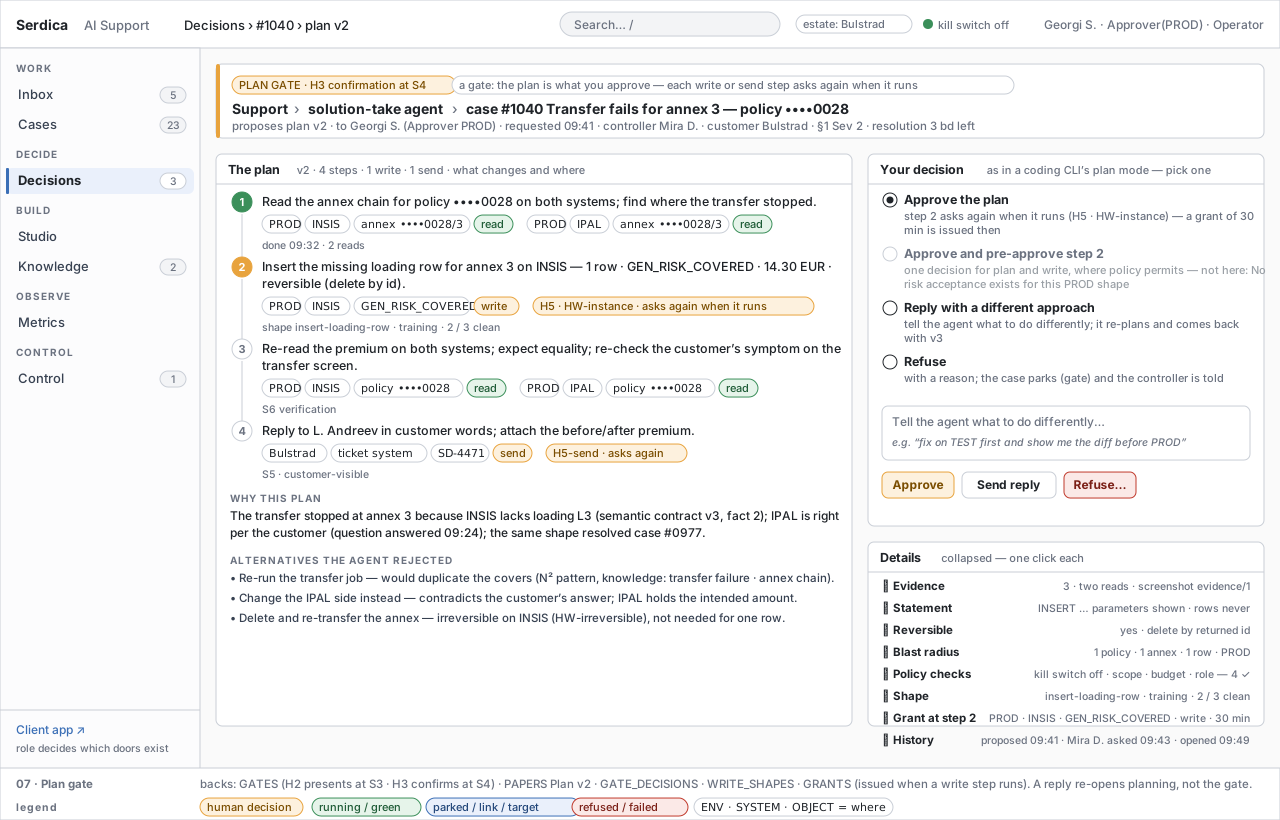
| Is this a gate? | Yes — H3 confirmation at S4 of the plan H2 presented at S3. The plan is what the person approves; each write or send step asks again when it runs (H5 · HW-instance · H5-send) and the grant is issued then. The pattern is the plan mode of the coding CLIs. |
|---|
| Regions | header module › agent › case — Support › solution-take agent › case #1040 — proposes plan v2 · to whom (person · role) · controller · customer · clocks · the plan: numbered steps done / now / next, each with where-chips and the gate it needs · why this plan · the alternatives the agent rejected · your decision: approve the plan · approve and pre-approve a step (disabled with the reason where policy forbids — here PROD is customer-facing, this PROD shape has no accepted risk decision) · reply with a different approach (free text; the agent re-plans and returns with v3) · refuse with a reason · Details collapsed: evidence, statement, reversibility, blast radius, policy checks, shape 2 / 3, grant at step 2, history |
|---|
| Data | GATES (H2 · H3), the Plan paper, GATE_DECISIONS, WRITE_SHAPES, GRANTS (issued when a write step runs), the Semantic-contract paper the plan cites |
|---|
| Workflow | W4 — approve · reply · refuse; a reply re-opens planning, not the gate. W5 — each clean, person-confirmed write instance counts towards lifting the shape (D112); these effect gates remain human until their exact risk/target is accepted. |
|---|
| Formerly | the “decision packet” page of the first draft — the packet's fields are now the collapsed Details. |
|---|
Build
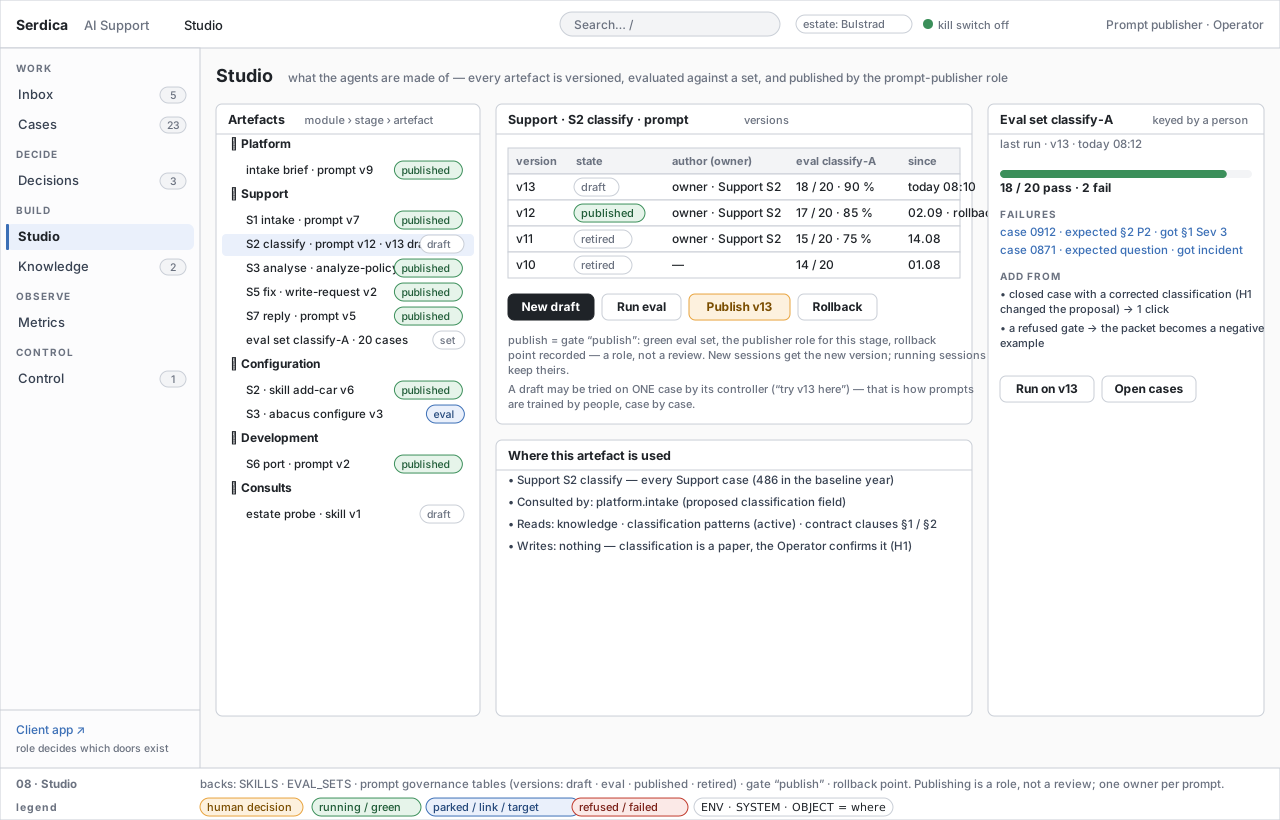
08 · Studio — what the agents are made of
| Regions | artefact tree by module › stage (prompts, skills, eval sets) with state chips · the selected artefact's versions (state, author role, eval result, since) with new draft · run eval · publish · rollback · where the artefact is used · the eval set with its failures and how examples are added |
|---|
| Data | SKILLS, EVAL_SETS, the prompt governance tables (Agent Framework § 6): versions draft · eval · published · retired; the publish gate; the rollback point |
|---|
| Workflow | W9 — the prompt's owner drafts with a reason and may try the draft on one case (/try v13 in that case's chat); the eval set runs; the Prompt publisher role for the stage publishes — a role, not a review; new sessions get the version, running ones stay pinned. Eval failures are cases: open, fix the key or the prompt, re-run. Answer keys are written by people. |
|---|
| Formerly | the “Skills” screen. |
|---|
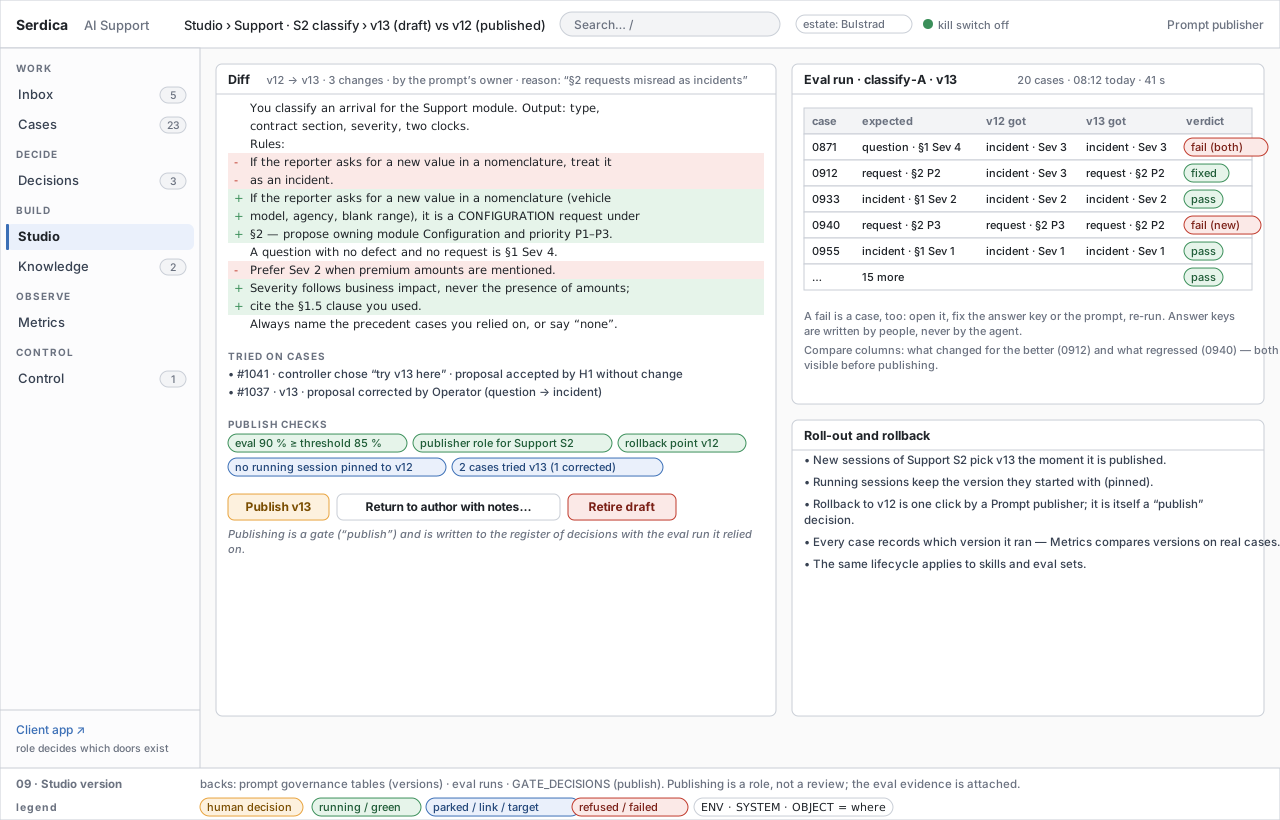
09 · Studio version — the diff, the evidence, the publish decision
| Regions | the diff (removed red, added green) with the author's reason · cases the draft was tried on · publish checks (green eval set · publisher role for the stage · rollback point · pinned sessions) · the buttons · the eval run per case: expected · old got · new got · verdict (fixed · pass · fail) · roll-out and rollback rules |
|---|
| Data | prompt governance tables (versions), eval runs, GATE_DECISIONS (publish) |
|---|
| Workflow | W9 — publish · return to author with notes · retire draft. Publishing is a gate and is written to the decisions with the eval run it relied on; rollback is itself a publish. Metrics compares versions on real cases. |
|---|
10 · Knowledge — what the agents remember between cases
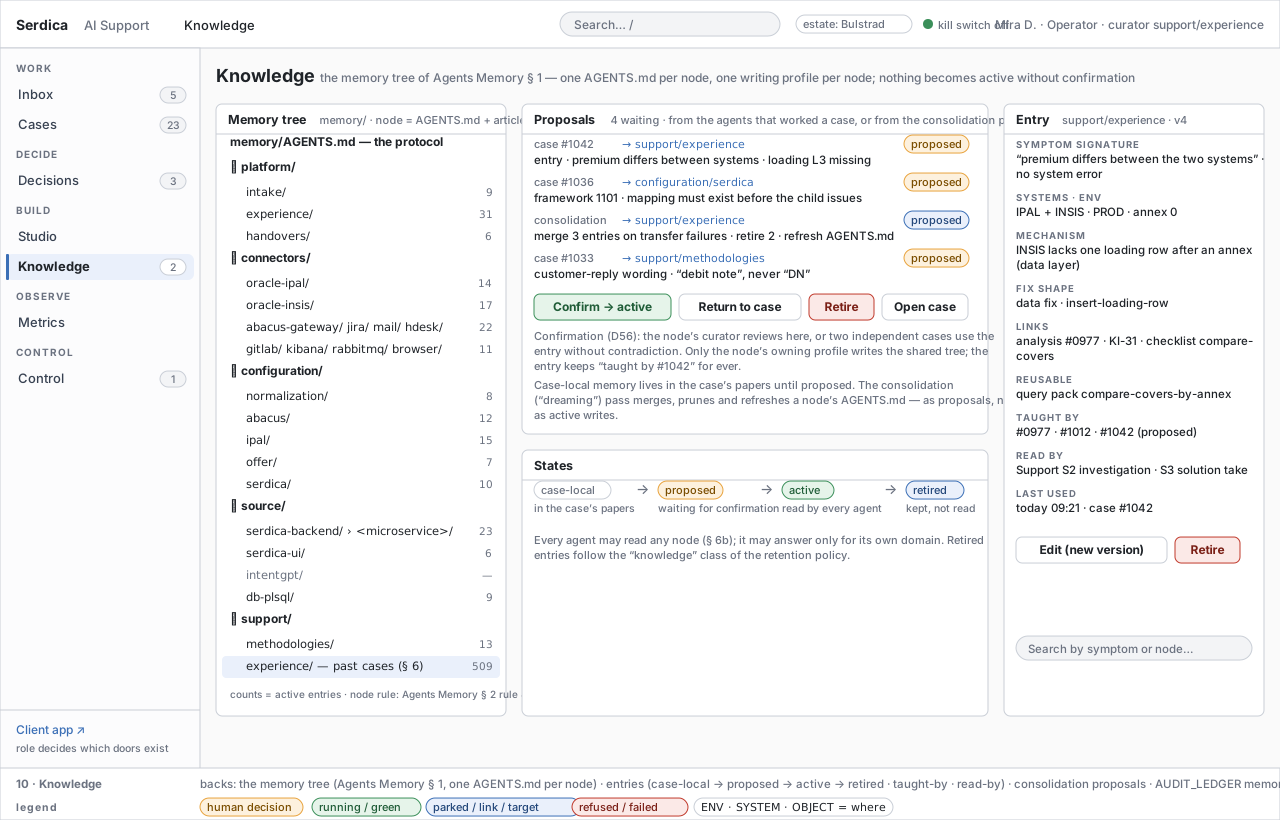
| Regions | the memory tree of Agents Memory § 1 — memory/AGENTS.md the protocol; platform/ intake · experience · handovers; connectors/ one node per system; configuration/ normalization · abacus · ipal · offer · serdica; source/ serdica-backend › microservices · serdica-ui · intentgpt · db-plsql; support/ methodologies · experience — with active-entry counts · the proposals queue naming the source case and the target node · confirm → active · return · retire · open case · the state ribbon case-local → proposed → active → retired · one experience entry in the § 6 shape (symptom signature · systems/env · mechanism · fix shape · links · reusable artefacts · taught by · read by · last used) · search by symptom or node |
|---|
| Data | the memory tree (Agents Memory § 1 — one AGENTS.md per node, one writing profile per node), its entries (§ 6), consolidation-pass proposals, AUDIT_LEDGER memory events |
|---|
| Workflow | W10 — promotion is a confirmation (D56): a curator's review here, or two independent cases that used the article without contradiction. Case-local memory never leaves its case unless proposed; the consolidation (“dreaming”) pass only proposes. The curator is an Operator with the duty for a branch, not a seventh role. |
|---|
| Formerly | the “Memory” screen. |
|---|
Observe and control
11 · Metrics — hours and gates, never money
| Regions | tiles (human minutes per case · first person on a new arrival · gate wait · gates per case · writes without a person · thin shapes) each with its target and basis · cases by state and module with clock breaches · gate throughput (count · median wait · share of cases) · targets and their basis |
|---|
| Data | ledger parsers (Metrics): CASES, GATES, GATE_DECISIONS, SESSIONS (human minutes), prompt versions per case |
|---|
| Workflow | W13 — read only; a target is a claim with a basis (D111); breaches link to the case; nothing is expressed in currency (D117). |
|---|
12 · Control · Connectors — the ceiling a grant can never exceed
| Regions | the Control tabs · one row per connector: environment, system, kind, allowed modes, customer-facing, health, credential, last probe, probe · edit · effects of the table · what is down right now · probe all · add connector |
|---|
| Data | CONNECTOR_SCOPES (env × system × mode ceiling), health probes, credential expiry, environments.<env>.customer_facing |
|---|
| Workflow | W11, W8 — a tool call outside the allowed modes is refused before it runs and shows as a refused card; customer-facing = yes makes H5 mandatory on sends and writes (D114); a connector marked down parks its cases as connector-down and they resume when the probe is green; editing a scope is an Administrator decision with a reason. |
|---|
| Formerly | the “Connectors” screen. |
|---|
13 · Control · Roles & policies — who may do what; retention; gate training; budgets
| Regions | roles → capabilities matrix (Viewer · Operator · Approver · Prompt publisher · Administrator · Customer representative) · retention policy per artefact class: keep · then · manual action · gate · gate policy — trainable by people: threshold, window, confirmer · budgets in minutes |
|---|
| Data | the role map (Trust and Data § 3); whitelabel policy keys retention.* (D109), gates.* (D112), budgets.* (D117) — proposed |
|---|
| Workflow | W11 — roles are assigned, no holders are named yet (D107, D110); every manual retention action lands in Decisions with a packet (HW-irreversible for purges and exports); irreversible and DDL shapes remain human without explicit risk acceptance; customer-facing environments add H5 on top; nothing on the page is expressed in currency. |
|---|
14 · Control · Exceptions & kill switch — grants in force, parked cases, the switch, the audit tail
| Regions | the kill switch with its state and consequence · grants in force: case, gate, env, system, target, mode, artefact hash, issued by, expires, revoke · exceptions: parked cases by class, capability gaps, orphaned sessions, with resume · extend budget · stop & hand over · the audit tail |
|---|
| Data | kill-switch state, GRANTS, HELD_BATCHES, CASES (park classes), AUDIT_LEDGER (append-only: who · what · where · why) |
|---|
| Workflow | W8, W11 — turning the switch on refuses every write, send, ddl and push at once and parks running cases; reads never stop; turning it off is a second decision. A grant is single-use per batch and bound to the packet hash; revoking is logged. |
|---|
Client surface: client_wireframes.html. Specification: the UI page of this wiki (§ 0 principles · § 2 the case-chat vocabulary · § 4 the thirteen workflows · § 5 the screen inventory). Generator: gen_wireframes.py in this folder — python gen_wireframes.py . regenerates all eighteen SVGs.